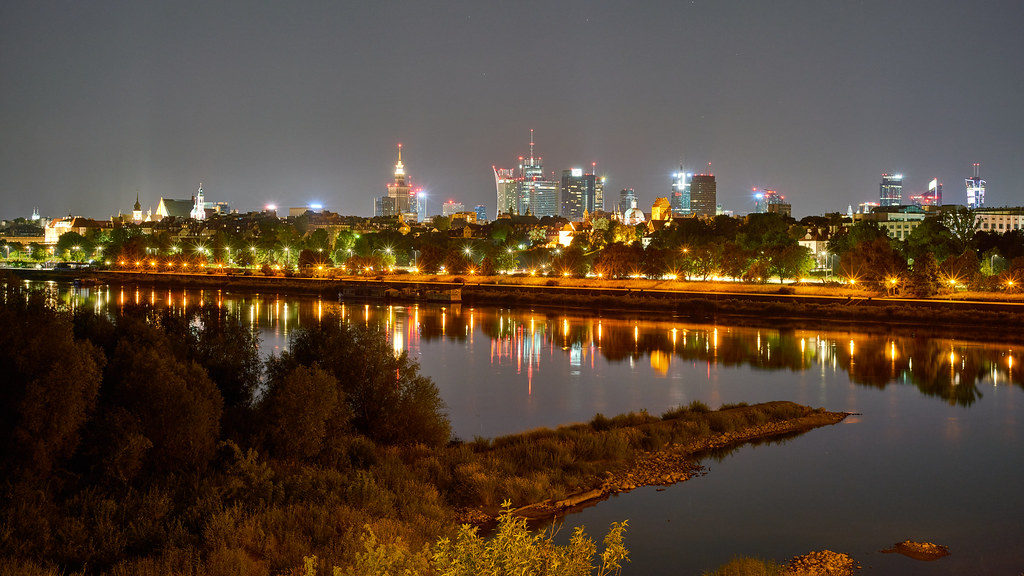
Panorama of Warsaw and its business districts

Warsaw · business premises

Commercial real estate in Warsaw - rental and purchase of premises for companies

We help you find, compare and safely rent or buy an office, service premises, restaurant, retail or other business space.

Service 4

We help companies find the right space in Warsaw.

Looking for an office, service unit, retail space or another commercial property? We help compare available options, contact multiple providers and work through lease or purchase terms without chaos.

Who it is for

For companies, founders, teams and investors looking for an office, service premises, retail space or other commercial space in Warsaw.

The problem we remove

Scattered listings, different space standards, unclear extra costs and difficult comparisons between owners, operators and brokers.

Your outcome

A shorter list of viable spaces, a clearer understanding of costs and terms, and support in conversations with multiple providers.

What the service includes

  • We define the company’s needs: location, size, standard, budget, timing and way of working.
  • We search across many sources: owners, operators, brokers and available listing databases.
  • We compare rent, operating costs, deposits, lease period, flexibility and exit conditions.
  • We organize inspections and help you ask the right questions before making a decision.
  • We support the rental of commercial space, and when it makes sense, also the purchase of premises or real estate for a company.
  • We explain the key terms of the contract in simple language and indicate places that require additional verification.

Why it matters

Good commercial space affects costs, your team, your clients and your company’s flexibility. The goal is not only to find premises, but to compare total costs and terms honestly before signing.

Find a space for your company

What commercial properties are we looking for?

We serve entrepreneurs, companies, restaurateurs, investors and people developing new businesses in Warsaw. The scope of the search depends on the business model, number of employees, technical requirements and planned lease period.

  • offices and flexible work spaces,
  • service premises and offices,
  • catering establishments with appropriate installations,
  • commercial spaces and premises on streets with appropriate traffic,
  • real estate for education, health, showrooms and other services,
  • commercial premises and buildings considered for purchase.

The process from brief to signing the contract

  1. Brief. We determine the location, budget, square footage, deadline, customer profile, technical requirements and boundary conditions.
  2. Research. We compare offers from many sources, direct availability and information from market participants.
  3. Short list. We reject premises that do not meet key conditions and show cost and functional differences.
  4. Inspections. We organize inspections and sort out questions about the condition, installation, adaptation and surroundings.
  5. Conditions. We help you compare rent, fees, deposit, indexation, incentives, lease period and liability for work.
  6. Decision. We coordinate documents, negotiations and next steps with the appropriate specialists.

Total cost

We do not compare premises solely based on the rental rate

Cheaper rent does not always mean lower costs of running a business. Operating fees, utilities, indexation, rent-free period, owner's contribution, adaptation costs, signage, parking spaces and terms of exit from the contract are also important.

Financial conditions

We sort out the base rent, fees, deposit, currency, VAT, indexation and one-off entry costs.

Possibility of adaptation

We check whether the layout, installations, ventilation, power, access and consents correspond to the planned activity.

Contractual risk

We indicate points requiring legal consultation and help prepare a list of questions before negotiations.

Location value

We assess accessibility, visibility, proximity, traffic profile and the importance of the address for customers and the team.

Renting space for a company

When leasing, we focus on flexibility, total costs and the ability to safely start your business. We don't present hundreds of random offers - each item on the shortlist has a reason.

Purchase of premises or commercial real estate

When purchasing, we extend the analysis to include the legal, technical and economic status of the property, financing options, adaptation potential and the scenario of subsequent lease or resale. We select the scope of the study depending on the type of asset and the investor's goal.

Data, market and responsible recommendation

We use public and commercial offer sources, city data and information obtained during research. Data supports the decision, but does not replace the advisor's inspection, negotiation and judgment.

FAQ

Commercial real estate in Warsaw - questions

Do you mainly help with renting or also with purchasing?

Most often, we search for a lease, but we also analyze the purchase of a premises or other commercial property, if it suits the company's or investor's plan.

Can you find a restaurant or service facility?

Yes. The brief includes technical requirements, ventilation, power, access, supply options, consent to a specific use and other conditions relevant to the business.

Do you represent the company during negotiations?

Yes. We sort out business conditions and help conduct negotiations. When a legal, technical or tax opinion is needed, we recommend engaging the appropriate specialist.

How to start your search?

Send the location, approximate square footage, budget, date and type of activity. If some of the parameters are not known yet, we will clarify them during the first conversation.

Commercial brief

Tell us what space your business needs

We will prepare the scope of the search, check available sources and propose a specific next step.

Send a commercial inquiry

Poland · commercial real estate

The 10 most important checks before renting or purchasing premises for a company

The guidelines below describe the Polish reality according to the legal status and practice as of the date of publication. They do not replace an examination of a specific property or individual legal, tax, technical or industry advice.

  1. Start with the permitted function of the premises. Check the local plan, use, building documentation and requirements for a specific activity. The fact that a shop or office previously operated there does not guarantee the possibility of running a restaurant, medicine, education or production business.
  2. Verify owner and representation. Compare the land and mortgage register with the National Court Register or CEIDG, rules of representation and powers of attorney. In the case of a company, check whether the signature of one person is sufficient and whether a resolution of the body is required.
  3. Compare the total cost of occupying space. Base rent may only be part of the cost. Count the operating fee, utilities, VAT, indexation, parking space, marking, insurance, tax re-invoiced by the owner and your own adaptation costs.
  4. Convert incentives into effective rent. The rent-free period, the owner's budget for arrangement and grading of rent are only valuable when compared to the length of the contract, the costs of work and the obligation to restore the premises. Compare offers in the same horizon.
  5. Adjust the contract period to the company's risk. Write down the release date, rental start terms, extension options, early exit rights and consequences of delayed accommodation. A fixed-term contract does not always provide for early termination without an express clause.
  6. Check the technical possibilities of adaptation. Electrical capacity, ventilation, cooling, load-bearing capacity, height, risers, supplies, waste, acoustics, accessibility and fire safety requirements can determine the suitability of a premises. Commission an analysis before approving the project and budget.
  7. Establish responsibility for work and permits. The contract should indicate who designs, obtains consents, performs work, accepts installations and bears the cost of hidden defects or changes required by the authority. Attach the agreed handover standard and technical documentation.
  8. Negotiate security that is proportionate to the contract. A deposit, bank guarantee, guarantee of the parent company, notarial deed or surety have different costs and effects. Write down the date of return or expiry of the security and the conditions for its activation.
  9. Regulate assignment, sublease and ownership changes. The company may transform, sell the business or need a smaller space. Check whether the contract allows you to transfer rights, sublet part of the premises or change the user and under what conditions the owner may refuse.
  10. Design an entry and exit protocol. Document condition, meters, keys, installations, defects and expenditures made. Before signing, determine what remains after the end of the contract, what needs to be removed and how the standard of restoration of the premises is measured.

Sources and basis of guidance